
Loosen Up with the
Alexander Technique
for Peak Performance in Arts Sports Work Pleasure and Life
Free IntroductionDavid Owen +44 1752 361576 or 07791 930028
Over 35 years experience
Top Performance
Efficiency and Accuracy
Power and Endurance
Confidence Clarity and Charisma
The Alexander Technique helps you to relax away unnecessary background tension. This improves your bodily awareness, and allows your natural poise, buoyancy and coordination to do your alignment and movements for you. Thus you can physically perform more accurately, powerfully and efficiently.
The relaxation relieves your brain of a lot of extra work, therefore reducing brain fog. Also when your mind is calm, it allows a full blood supply to your cerebral cortex, So you can feel emotionally relaxed, think more clearly, be more observant and make better decisions.
By combining these and trusting your innate inner wisdom,you can excel at the most complex and demanding tasks.
The Problem – Tension
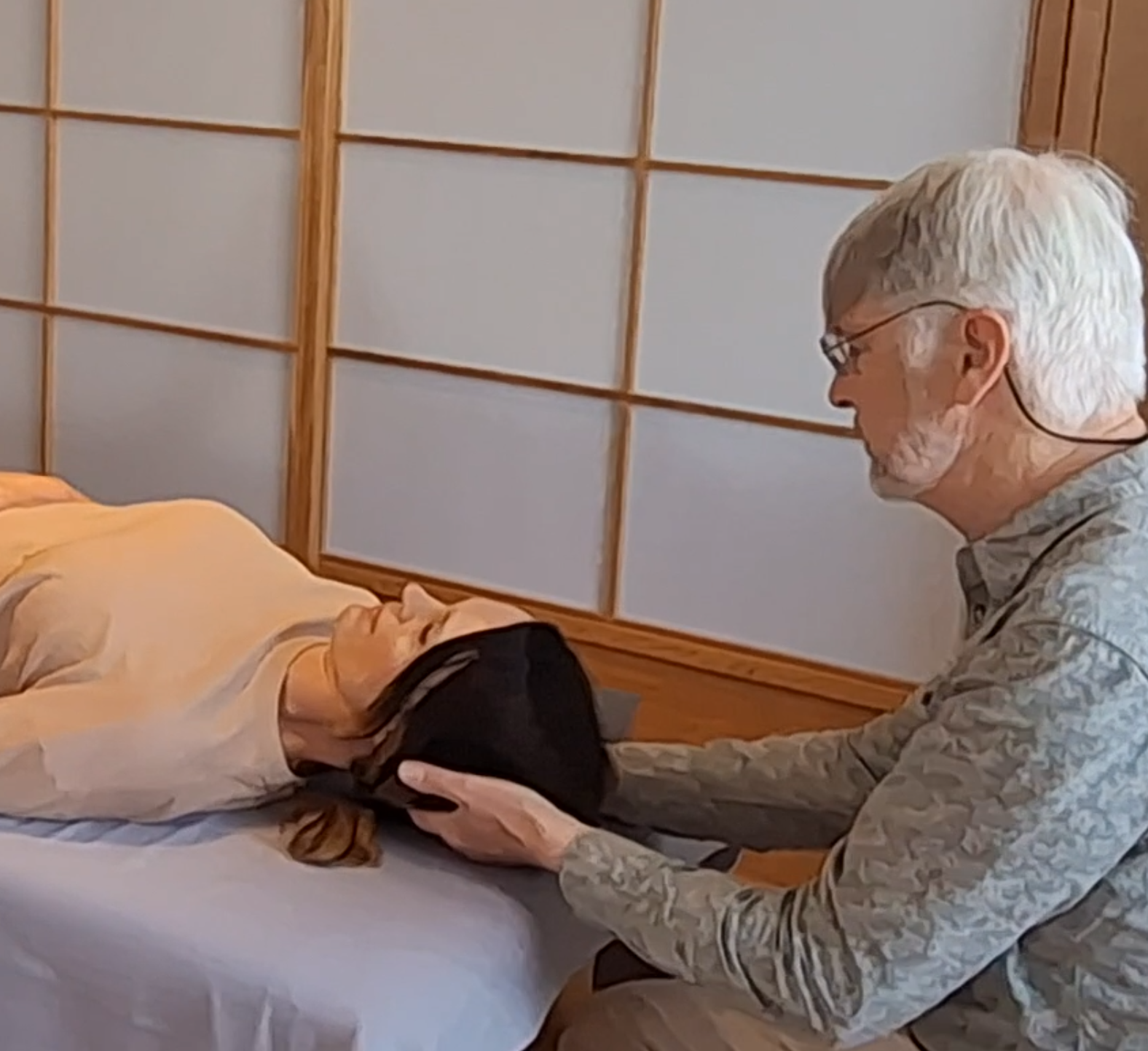
Undoing residual head and neck tension: the origin of tension in the rest of the body.
We all need some muscle tone or contraction to sit, stand, move about and perform tasks. We also need it to stabilise ourselves, especially while we are moving. Very occasionally, we need extra tone and contraction to deal with sudden demands and especially if we need to deal with a sudden physical threat. However, once the demand or threat has passed, we need to let go of this extra contraction.
By contracting in response to the situation, we have stored energy in our bodies, like compressing a spring– and usually, the contraction is released as a burst of energy and effort, for instance to lift or push something, or to strike out and fight, or to run away from an assailant or from danger.
Unfortunately, since a very early age, nearly all of us have had so many false calls to contract, without any trigger to release the energy into useful action, that we have gradually built up excess residual contraction or background tension. It is my first task as an Alexander teacher, to help you to let go of this tension and to teach you how to let go of it on an ongoing basis yourself.
Physical Advantages
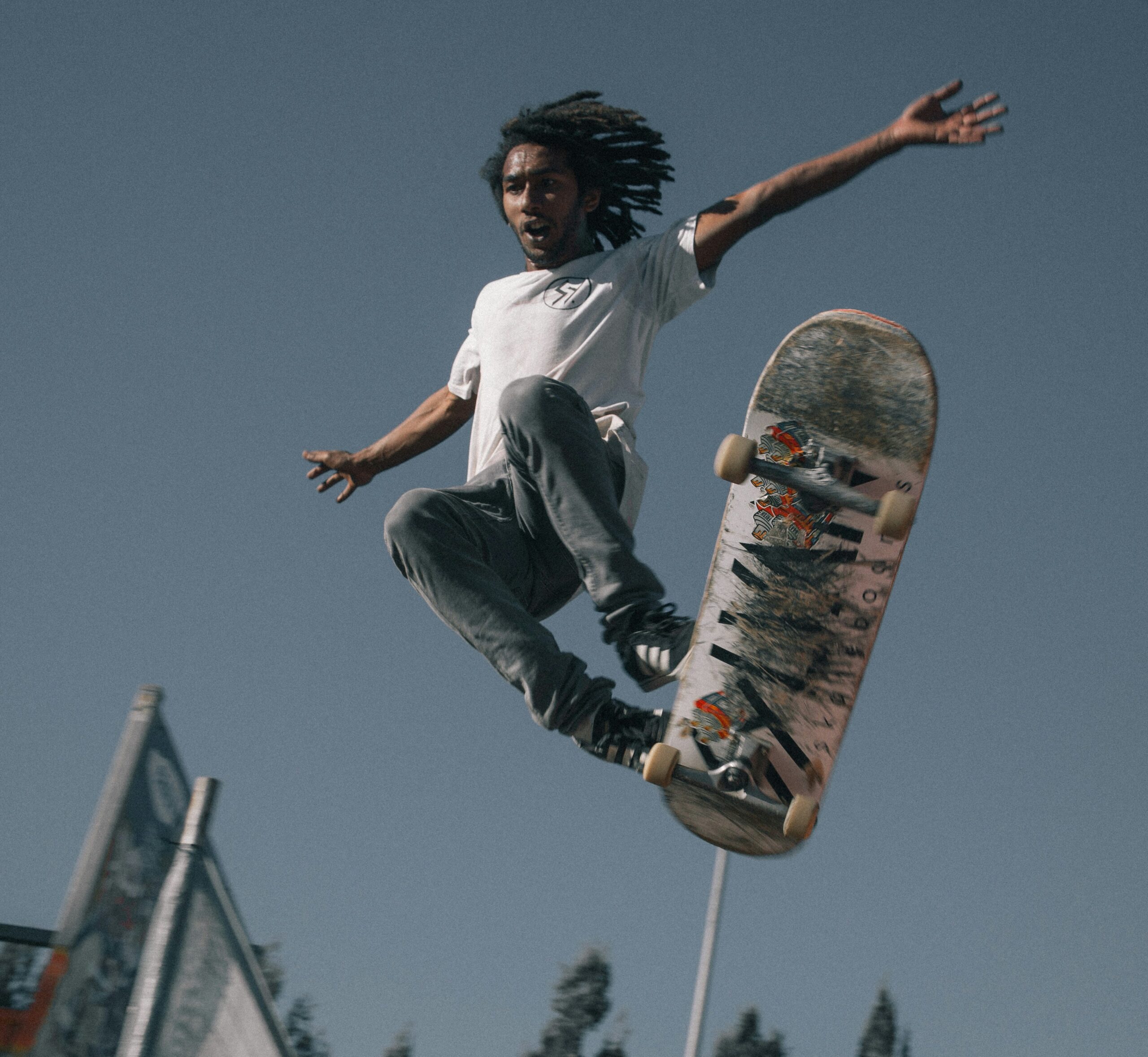
The first and most obvious advantage of letting go of this excess tension is freedom of movement. This makes it easier to move, using less energy and therefore your movements are more efficient. Because it takes less energy for the same movement, it means you can produce more power when you need it.
The next advantage is that you reduce strain and reduce the risk of injury. And if you do injure or strain yourself, the lack of excess tension allows faster recovery.
Thirdly, the lack of tension allows your natural poise and reflexes to reemerge and reassert themselves. This means you will stand straighter and taller, naturally and without effort and it means that your movements will be smoother, more accurate and more coordinated. Most of us are not used to this when we first let go of the tension, so we tend to revert to old habitual movement patterns and to trying to put too much energy into our movements. So the second task of a good teacher is to coach their pupil into putting aside these habits of extra effort and distorted movement, that developed as a result of the tension, so you can get the full benefit of the freedom, poise and coordination.
Additionally, the lack of background tension allows us much greater bodily awareness. This leads to greater dexterity and accuracy and also to much better awareness as to when we are not using our bodies efficiently or healthily. Therefore it further guards us against strain and injury.
The lack of tension also frees up the ribcage, abdomen and diaphragm. This obviously makes breathing easier and also increases lung capacity. Furthermore, for singers, actors, performers, wind players and public speakers, it allows far better breath control. This means you can modulate your breath better and also make your breath last longer, especially for singing or wind instruments, and even for public speaking. Additionally, the lack of neck tension allows you to take breaths quickly and silently, making any form of performance that much smoother and better.
Greater torso freedom and lung capacity also means you can take in more oxygen. This means you can efficiently produce more energy and avoid lactic acid build up from inefficient metabolism. This means you will have more endurance in demanding tasks or energetic sports and more energy available overall.
Mental Emotional & Behavioural Advantages
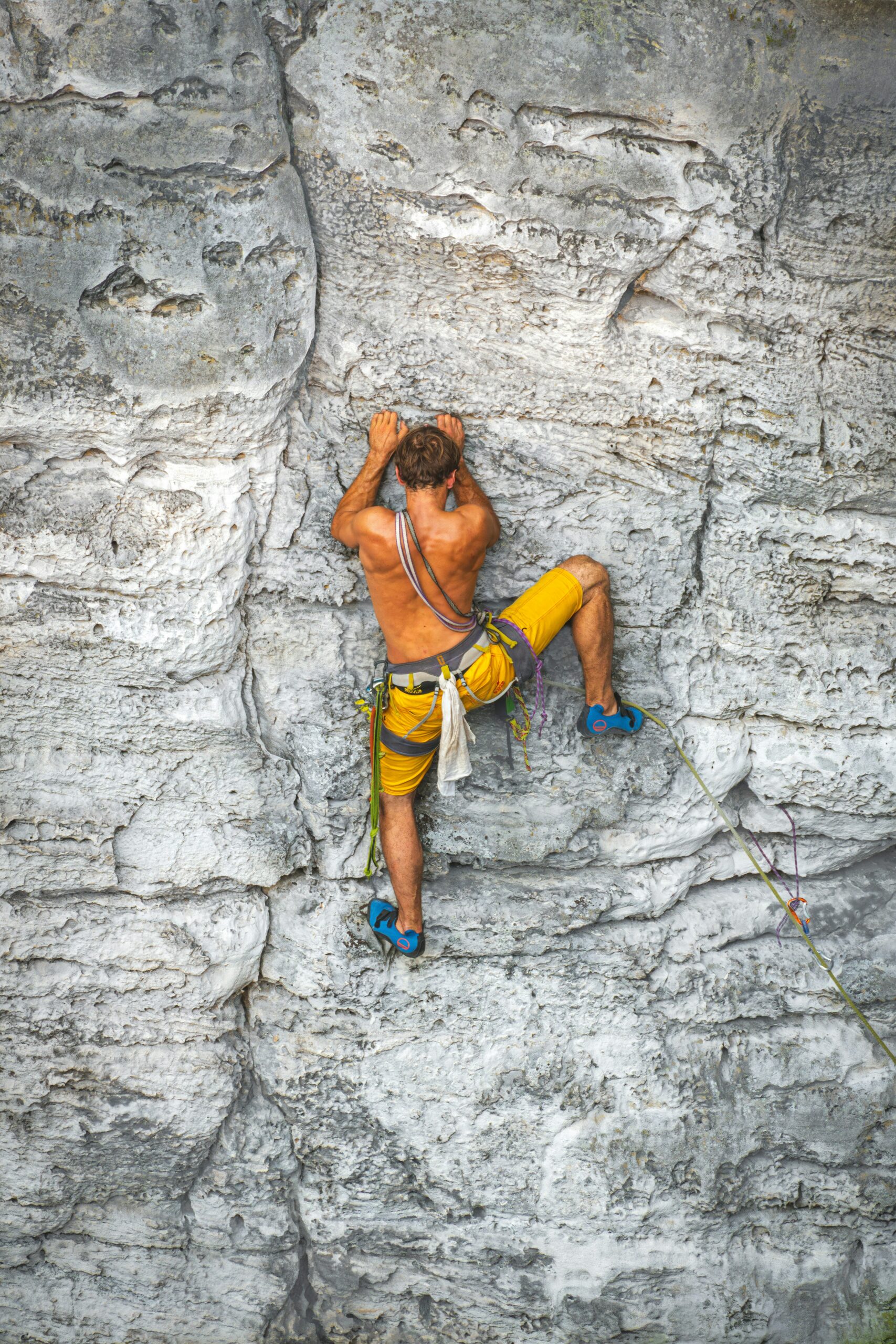
How Tension Affects This
Muscles can only be tense if the brain is sending messages to them to be tense. The tense muscles and all the parts that are strained or compressed as a result of the tension, then send a stream of nerve impulses back to your brain. This means that your brain is having to do a lot of work, just to cause the tension and monitor it.
Of course, we are usually unaware of all this, as the sending of the messages is unconscious and the receiving of them is edited out if they are not new, just like an editing office that is only looking for News (plural of New!) Notice that you were probably unaware of the sensations of your clothing or footwear until now, unless they were new sensations. So the editing office is busy rejecting messages, giving your brain even more work to do.
Furthermore, when you are tense, your brain thinks you are in at least some degree of danger– otherwise, why would you be tense? (Our brains often use circular logic!) And when your brain thinks you are in danger, it drains blood from the cerebral cortex, the logical and most recently developed part of your brain. Instead, it diverts the blood to the deeper, more ancient and basic parts of your brain that deal with basic functions and with fight and flight. All this makes us less logical and more reactive, rather than responsive, and leads to brain fog and confusion.
Clarity
Obviously, if we can rectify this, relax and let go of background tension, then it relieves our brains of a lot of extra work and the blood flow will be redirected back up to the logical parts of the brain. This will obviously make our minds clearer, we will be more observant, less reactive and more responsive, think more constructively, optimise our imagination and creativity, and make better decisions. As a result, we feel more calm and relaxed, so that we have a beneficial upward cycle.
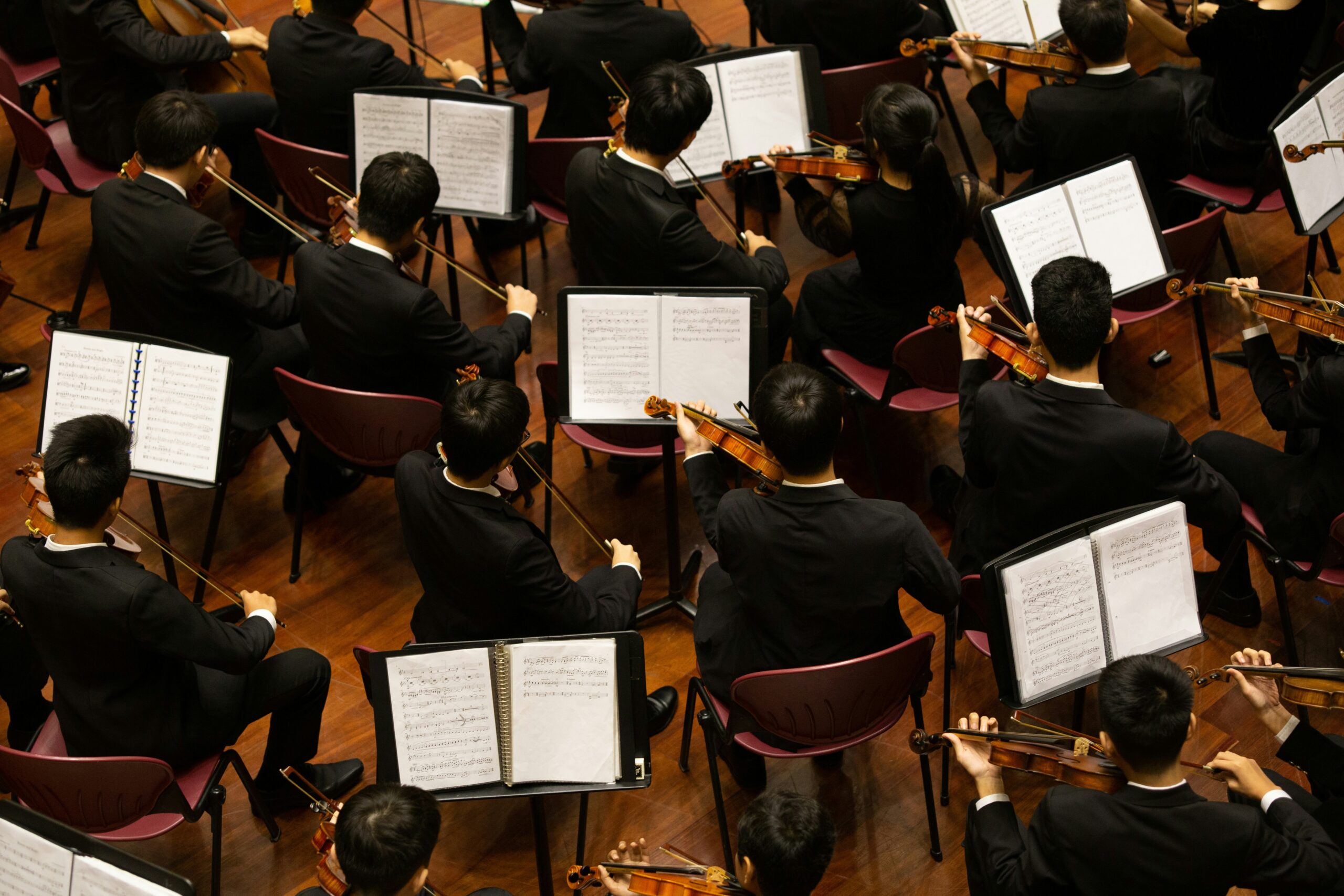
Confidence and Charisma
Our emotions affect our bodies, but also our bodies affect our emotions. When you can stand tall, naturally and effortlessly, and you can move with poise, ease and grace, it naturally makes you feel more confident.
When you are poised and relaxed, giving only the minimum attention to staying in optimum condition, you will find that you become more aware, present and in the moment. This means you are able to pay more attention to others, and to listen and connect with them more authentically.
However, when others see you like this, it also puts them at ease. Unconsciously, they can see that you are relaxed and confident within yourself. People will feel they can trust you, as when you are relaxed, it implies you have nothing to hide and that they are safe with you. People naturally feel that you are someone they can literally ‘look up to’ in other words, you are perceived as having greater presence and charisma. As a result of this, you will perceive how people respect you more and this leads to even greater confidence in yourself– another upward beneficial cycle.
Flow States and Choice
Alexander was a reciter and actor who had lost his voice. He habitually pulled his head back in anticipation of reciting, which distorted his larynx. Looking in a mirror, he could remedy this by getting his head to go forward. However, when he found that his habits were taking over again if he was not observing himself in the mirror, he worked out that he had to trick himself out of anticipating what he was about to do. This he did by deciding that he would not commit himself to reciting, but get himself into a condition where he could do it without distorting himself, and then decide to either:
Do nothing, except continue to maintain this good condition
Do something else instead
Or actually go ahead and recite anyway.
He had to inhibit his immediate desire to do what he had intended, and then get himself in the best possible condition before making a split second decision as to what to do next.
This takes a bit of practice and is much more easily learned with a teacher. However, it can gradually be developed into a flow state, where you are gently and consistently maintaining your optimum state and you flow into activity, as and when it is appropriate, often without having to think about it consciously. This is analogous to flow states or being in the zone, or letting your deeper wisdom achieve your aims for you as in the books The Inner Game of Tennis by W. Timothy Gallwey and Zen in the Art of Archery by Eugen Herrigel. It means you are present ‘in the moment’ and respond appropriately, rather than reacting habitually.
An example of this is when a friend of mine, a Black belt in Karate, was teaching me blocking moves. When he came to test me, he was somewhat surprised that my arms automatically made the right moves to defend me. I had gone calm inside, my perception was very clear, and I found myself responding freely and automatically.
I also found that my fellow teacher trainees who were musicians and singers (the technique is very popular with them) found that their playing and performance was a lot freer and effortless, and sounded a lot sweeter when they gently maintained their condition. They also found that they did not have to practise so much, and if they had not practised for a while, they could still perform as well as if they had.
The point is not to have to make the three choices every time, but to be in the right condition and in a flow state to make the right choice at the any time. If you are a sprinter, you don’t want to be delaying at the starting blocks, but you do want to be able to power off seamlessly at the right split second. Of course, if something significant changes at the last second, you want the option to do whatever is appropriate. The real point is to be in charge of your reactions and even your emotions. Rather than being driven by impulses and habits, you are continuously creating a space for choice.
Other than maintaining your optimum condition at the same time, there are only ever three choices:
Do nothing, do something else, or do what you originally thought of
By leaving space for something else or for not acting, you allow yourself to respond most appropriately to whatever situation you find yourself in, in the moment. After all, conditions change constantly.
How to Improve Your Performance Now
The quickest way to improve your performance with the technique is by one to one lessons with a qualified teacher. As I have found ways to speed up my teaching and make the Technique much easier to understand, you can improve your performance even more quickly by learning with me.
Most people can both gain and maintain the benefits of the Technique in ten lessons within ten weeks for as little as £500. For some applications, you may want extra coaching or return for occasional top-ups, though I always aim to make you self sufficient in the Technique as soon as possible.
Arrange a Free Introduction
You are welcome to a free introductory lesson, where we can discuss your needs and applications. I will demonstrate some of the principles of the technique to you, and if you play an instrument that you can bring with you, you can get an idea of how the Technique can help you with it. Feel free to call me on 07791 930028 or go to my About Lessons page to see what is involved.
N.B. Information about more specific applications of the Technique is coming soon.
Classes & Services

Individual Lessons
Individual attention for your individual needs.
The fastest way to learn.

Group Classes
Public drop-in classes for any level.
Bespoke clasesse for clubs, groups, choirs, orchestras etc.

Counselling Coaching NLP
Effective and enjoyable life enhancement.
Rapid and comfortable resolution of emotional issues.